
Vision
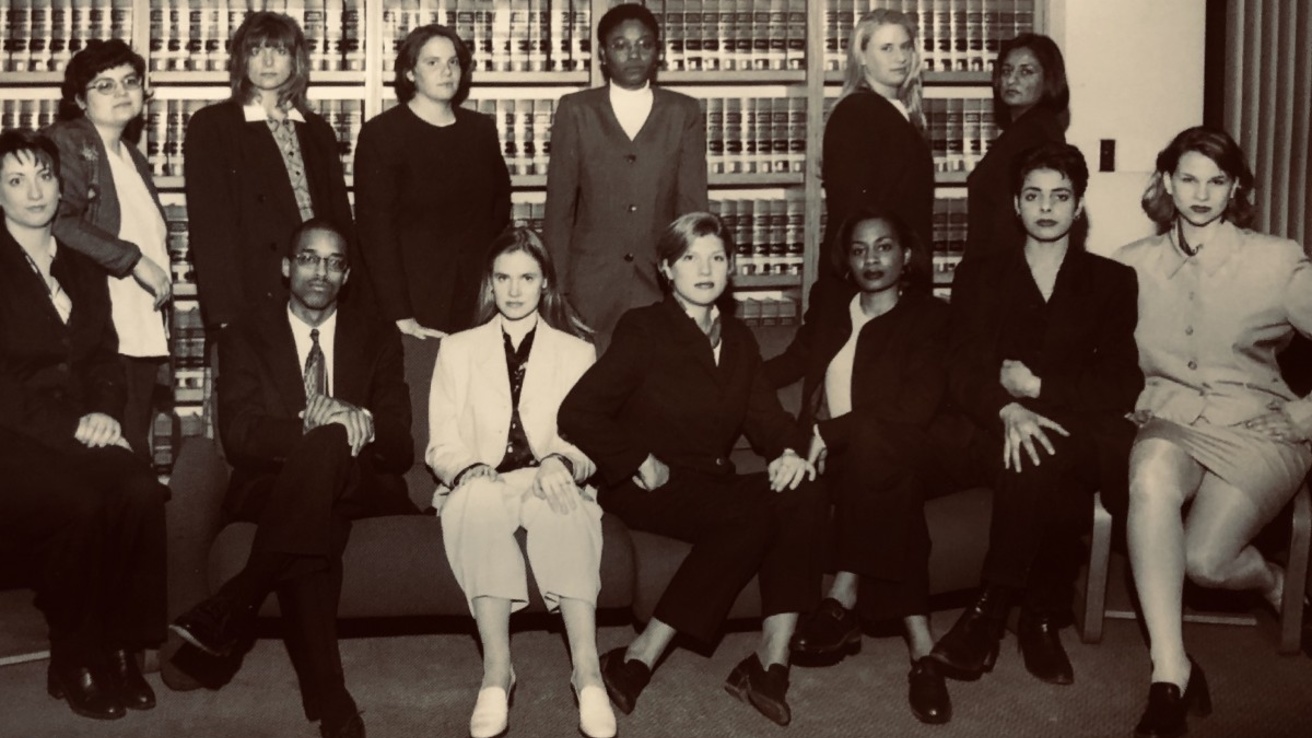
Founded in 1996, the Journal explores how we are classified, stratified, ignored, and singled out under the law because of our race, sex, gender, economic class, ability, sexual identity, and the multitude of labels applied to us. Identity is a matrix of experiences; when the law fails to recognize any one facet of our identity, both the law and the person lose invaluable dimension. Our challenge is to examine how we negotiate our identities, how the legal system negotiates them for us and how these negotiations affect our ability to attain justice.

# 5
(According to W&L Law Journal Rankings)

# 5
(According to W&L Law Journal Rankings)

14
Bringing scholars together to tackle the most pressing issues of our time
Alumni Spotlights
Meredith Rich-Chappell
Class of 2000
Meredith Rich-Chappell is an attorney at Lederer Weston Craig PLC in Cedar Rapids. Originally from Davenport, IA, Meredith received her Bachelor of Arts in History and her Bachelor of Science in Political Science. While at Iowa Law, she served as the Senior Technical Editor for The Journal of Gender, Race & Justice.

Latest Online Edition
JGRJ Today